
Sixteen years. This is how long it took me to forget something that had been with me since my earliest years — amused me through my childhood, annoyed me once I grew up, until my emigration to Canada.
In the morning, I habitually looked up the date on my atomic wall clock: 07/07. Nice and symmetric. Then I realized there was something about that date I couldn’t quite place. Something at the back of my mind. Someone’s birthday I’d forgotten? No — there are too many reminders around; I wouldn’t miss an important birthday. A holiday, maybe? I checked the calendar my municipality distributes to coordinate waste collection — nothing, just a Tuesday. Then it clicked: Ivan Kupala.
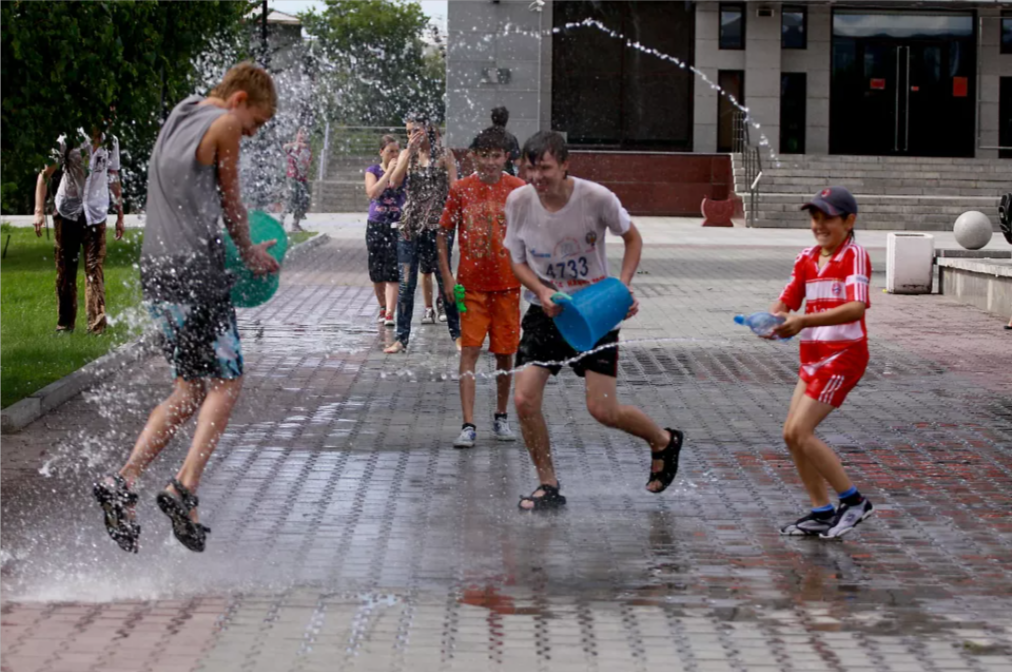
In my Soviet childhood, Ivan Kupala (Иван Купала) was the day — always July 7th — when children and teenagers were allowed to spray or pour water on strangers. From early morning, hordes of kids would run at you and dump a bucket over your head, and you weren’t supposed to protest, because on that day it meant a blessing for good luck and good health. The day wasn’t officially marked on Soviet calendars, but everyone knew: Ivan Kupala — expect your clothes to get soaked.
As a kid, I was part of my courtyard gang, of course. In the morning we’d gather with sprayers or buckets and bathe each other mercilessly (parents usually weren’t watching during the day), then refill and attack the kids from the neighboring courtyard. The older guys would pour water on adults — someone they knew, or just a random passerby. July was hot, so clothes dried fast; no real harm, just a funny sight. Some adults shouted, but the standard defense was always the same: “That’s for your good health!”
Kupala comes from купаться, to bathe. Ritual bathing — a cleansing by water — sits at the core of an archaic tradition going back to pagan times, when tribes near the summer solstice marked the year’s shortest night with rites built around rivers and lakes. Early Christians reframed the pagan holiday as the feast of Saint John the Baptist, keeping water as the central element. The Orthodox Church follows the Julian calendar, so instead of falling on the solstice, Saint John the Baptist’s day lands on July 7th.
The Soviet Union had no religious holidays, but somehow Ivan Kupala survived — even keeping the saint’s name, since Ivan is the Russian form of John. And the superstition kept its old logic: getting soaked that day meant you’d be healthy all year.
At summer camp, Ivan Kupala transformed into Neptune Day (День Нептуна). Same “get ’em wet” mischief at its core, but responsible adults tried to keep it organized — not that the вожатые (camp counselors) ever escaped their fate of getting soaked head to toe. Damage control meant wearing your bathing suit under your T-shirt from the start.
By the time I was older, things got a bit out of hand. Grown men would board a bus with buckets and pour water over innocent passengers. Sitting in a pool of water on a bus is no fun, trust me.
I checked my Russian hometown’s news site this year: Ivan Kupala was celebrated in all the city parks, same script — spraying each other, swimming in the ponds. A Russian Orthodox Church representative spoke about the day’s spiritual significance while live statues of Neptune performed by the city fountains. A strange mix of symbols and eras, still tending the same archaic solstice fire.
For years, I dreaded July 7th, knowing I’d better stay home or local shenanigans would ruin my dress. When my husband and I moved to Canada, I kept thinking about Kupala on that day, for a long time. Until, sixteen years later, I found myself standing at the calendar thinking: that day is somehow special — I just can’t remember why. Some things don’t get lost; they get blurred, but they stay, even if in the back of your mind.