
Culture

a still frame from the cartoon Winnie-the-Pooh
Culture, Language learning, Movies, Russian language, Soviet Union

Learning Russian with the Soviet Winnie-the-Pooh

The Soviet Winnie-the-Pooh cartoon is a masterclass in Russian verbs of motion disguised as entertainment. Unlike Disney’s bouncy bear, the Soviet Винни-Пух philosophizes in perfect syllabo-tonic verse while teaching you when to use пойти versus идти. Watch him get stuck in Rabbit’s door and suddenly you’re understanding Russian etiquette, colloquial expressions, and why grammar rules sometimes need to be forgotten, not memorized.

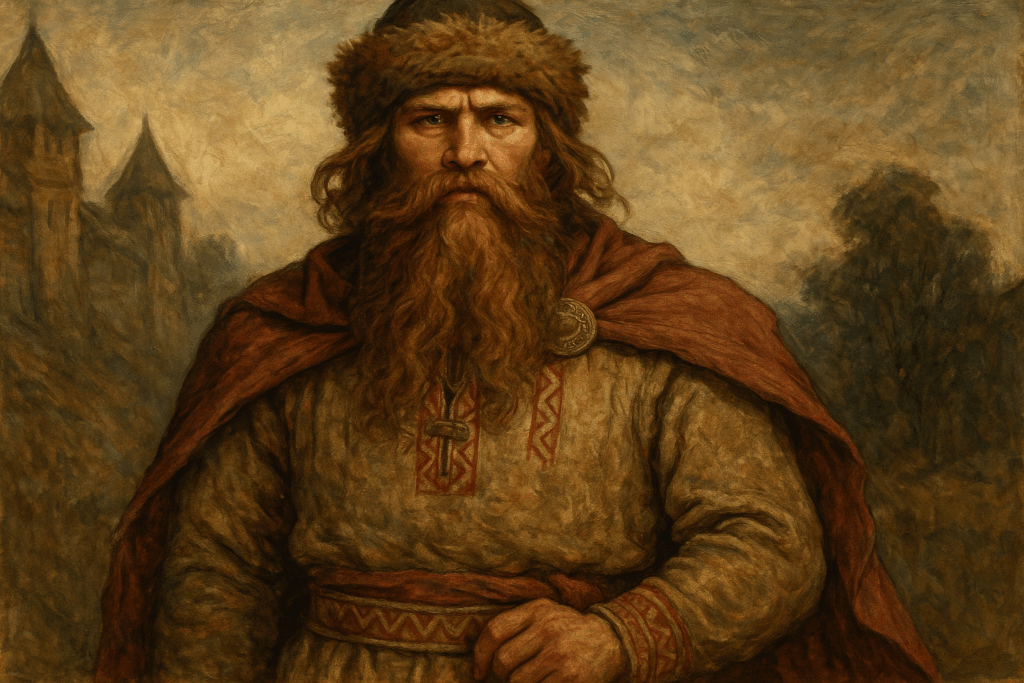
a bearded man in medieval Russian clothes
Culture, Russia, Soviet Union

More Than Just Facial Hair

In Russia, the beard transcends style, embodying cultural and political significance. Rooted in Proto-Indo-European bhar-dha, борода symbolized sacred tradition after 988, with shaving fines. Peter the Great’s beard tax aimed to modernize, possibly due to hygiene or insect fears. By the 19th century, beards marked Russian identity for Slavophiles. In Soviet times, they evoked outdated peasantry, yet 1960s intellectuals embraced them.

Culture, Movies

Drama and Comedy in Office Affair

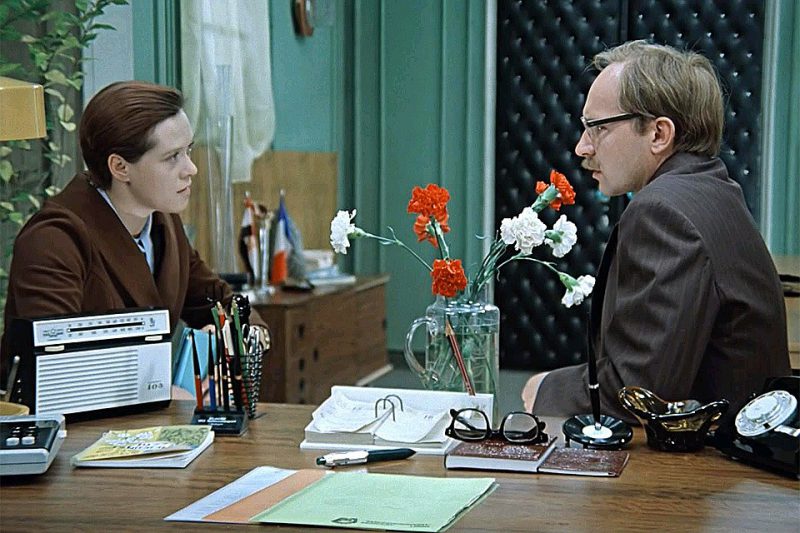
Office Affair, a classic Soviet film, has been truly popular for over four decades. It became a hit right away, and has remained one of the most beloved movies for generations. It truthfully displayed the real life and actual problems of people in Brezhnev’s Era of Stagnation, and this is one of the reasons it became so popular. For the very same reason, viewers from other countries and even younger Russians may miss the hints and hidden jokes that make this movie not just a romantic drama, but also a brilliant, sparkling comedy. In this article, I’ll try to explain the secret language of the Office Affair to you so that you could understand the film better and enjoy it in full.

Scroll to Top